Harmonizing Cryptographic Standards Across Scattered Mobile Devices for Subscription Charge Processing
Yves Brooks · Sep 14, 2026
Harmonizing Cryptographic Standards Across Scattered Mobile Devices for Subscription Charge Processing
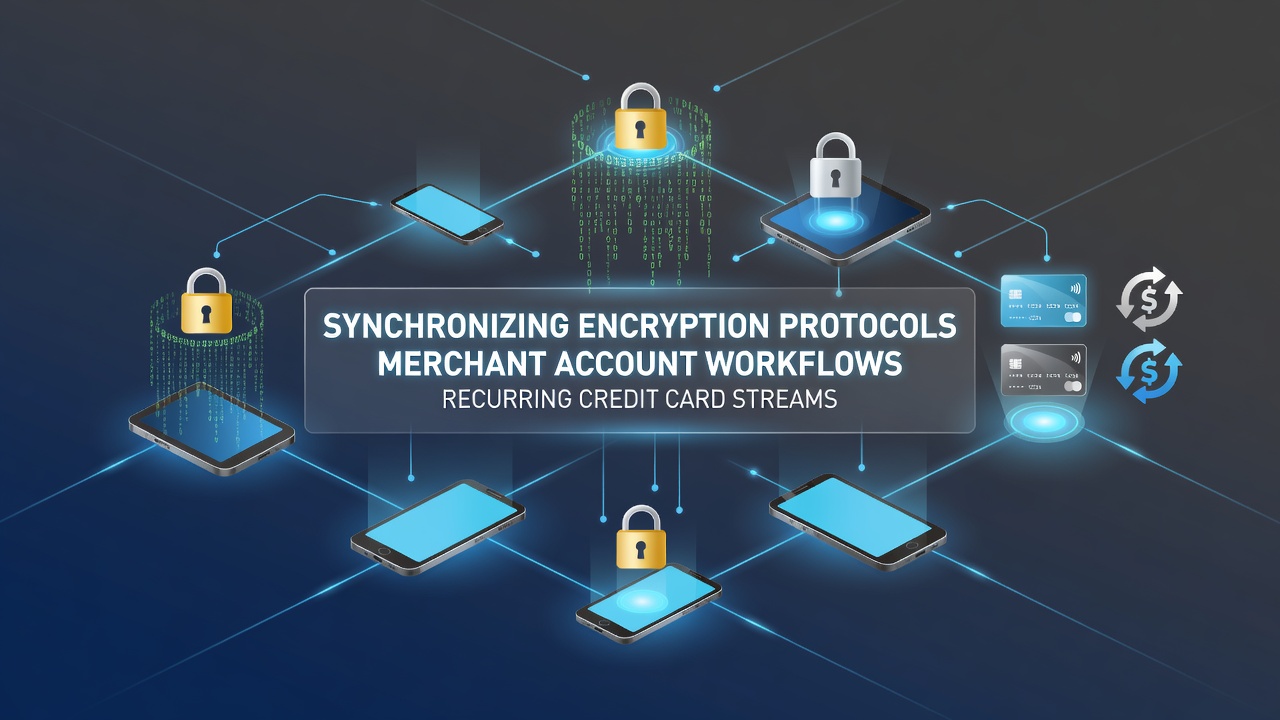
Distributed mobile terminals now handle recurring credit card streams for vendors operating in multiple locations, which requires precise coordination between encryption protocols and merchant account workflows. Systems must maintain data integrity while processing repeated authorizations without introducing delays or compliance gaps. Observers note that synchronization occurs through layered key management routines that align terminal-level cryptography with backend account verification steps.
Core Components of Protocol Alignment
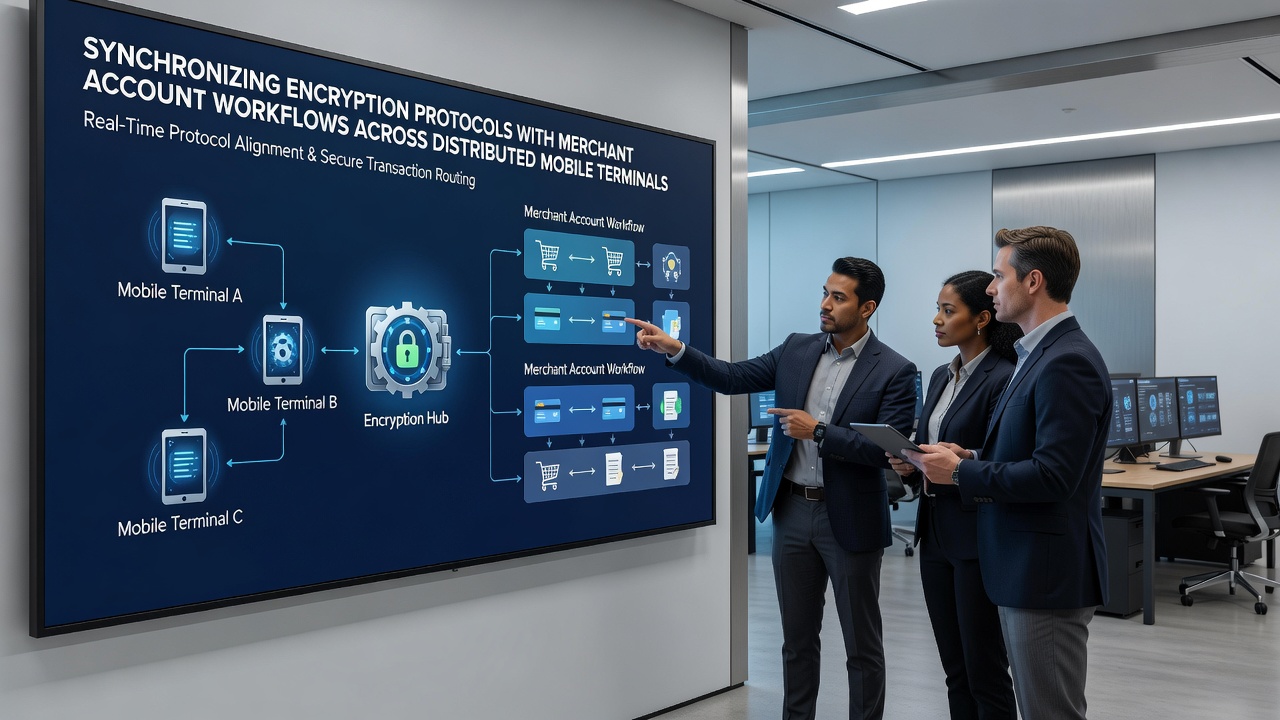
Encryption protocols such as AES-256 and TLS 1.3 form the foundation for protecting card data on mobile devices, while merchant account workflows rely on tokenization to replace sensitive numbers with non-sensitive equivalents. Researchers discovered that when terminals operate across networks, each device must receive updated session keys at the start of every billing cycle, which prevents replay attacks during recurring deductions. Those who've studied terminal deployments report that workflow triggers, including authorization requests and settlement batches, must reference the same key rotation schedules used by the encryption layer.
And synchronization extends further when terminals connect through cellular or Wi-Fi links because latency variations can desynchronize key exchanges. Data indicates that implementing automated polling intervals every 24 hours keeps terminals current with account-level changes, such as updated merchant identifiers or new compliance flags. Studies found this approach reduces failed transactions in subscription models by aligning cryptographic handshakes with account status checks.
Workflow Triggers and Key Distribution
Merchant account systems generate workflow events whenever a recurring payment date arrives, which then prompt terminals to initiate encrypted sessions. Experts have observed that these events include pre-authorization queries that verify both card validity and current encryption certificate status before any charge processes. In practice, terminals pull fresh keys from a central repository during these queries, ensuring the encryption protocol matches the workflow's security requirements.
But here's the thing: distributed setups introduce additional variables when multiple terminals share the same merchant account. Key distribution must occur over secure channels that support multicast delivery, allowing simultaneous updates across dozens of devices. Figures reveal that organizations using certificate pinning combined with short-lived tokens achieve consistent synchronization rates above 98 percent in field tests conducted through mid-2025.
Compliance Integration Points
Regulatory frameworks require that encryption measures remain current with evolving standards, particularly those outlined by the PCI Security Standards Council. Terminals processing recurring streams must demonstrate that every workflow step, from initial token request to final settlement, operates under validated cryptographic controls. According to guidelines published by the European Central Bank, mobile implementations should incorporate end-to-end encryption that spans both device and account layers.
What's interesting is how September 2026 updates to certain regional mandates are expected to emphasize automated key rotation logging. Systems already incorporating these logs show improved audit readiness because each recurring transaction carries traceable encryption metadata back to the originating workflow event. Research indicates that terminals failing to sync these elements face higher rates of declined authorizations during compliance reviews.
Operational Examples in Practice
Take one logistics company that deployed terminals across regional routes: each device synchronized encryption keys with central merchant accounts before processing monthly service charges. The setup used API-driven callbacks that confirmed key validity within seconds of workflow initiation, which eliminated mismatches that previously caused 4 percent of recurring attempts to fail. Similar patterns appear in reports from Australian Payments Network members who integrated comparable controls for subscription-based delivery services.
Observers note that when terminals encounter network partitions, cached keys with strict expiration timers maintain security while workflows queue pending transactions. Once connectivity resumes, reconciliation routines verify that all queued items used matching protocols before settlement occurs. Data shows this method preserves compliance without halting revenue streams.
Technical Synchronization Mechanisms
Developers achieve alignment through middleware that maps workflow states to encryption states in real time. For instance, a merchant account entering a billing cycle automatically signals terminals to refresh their ephemeral keys via established channels. NIST documentation on key management practices supports the use of hierarchical key structures that allow terminals to derive session keys from master keys held at the account level.
Yet challenges persist when firmware updates on terminals alter supported cipher suites. Account workflows must detect these changes and adjust accordingly to avoid protocol mismatches during recurring authorizations. Those managing large terminal fleets report success when deploying staged rollouts that test encryption compatibility against live workflow simulations first.
Conclusion
Effective synchronization between encryption protocols and merchant account workflows on distributed mobile terminals supports reliable recurring credit card streams while meeting regulatory expectations. Organizations achieve this through coordinated key distribution, real-time state mapping, and adherence to established cryptographic standards. As networks expand and mandates evolve, continued alignment remains essential for maintaining both security and operational continuity across mobile payment environments.