Encryption Frameworks Steering Verification Flows in Portable Philanthropy Tools for Sustained Community Backing
Yves Brooks · Nov 23, 2026
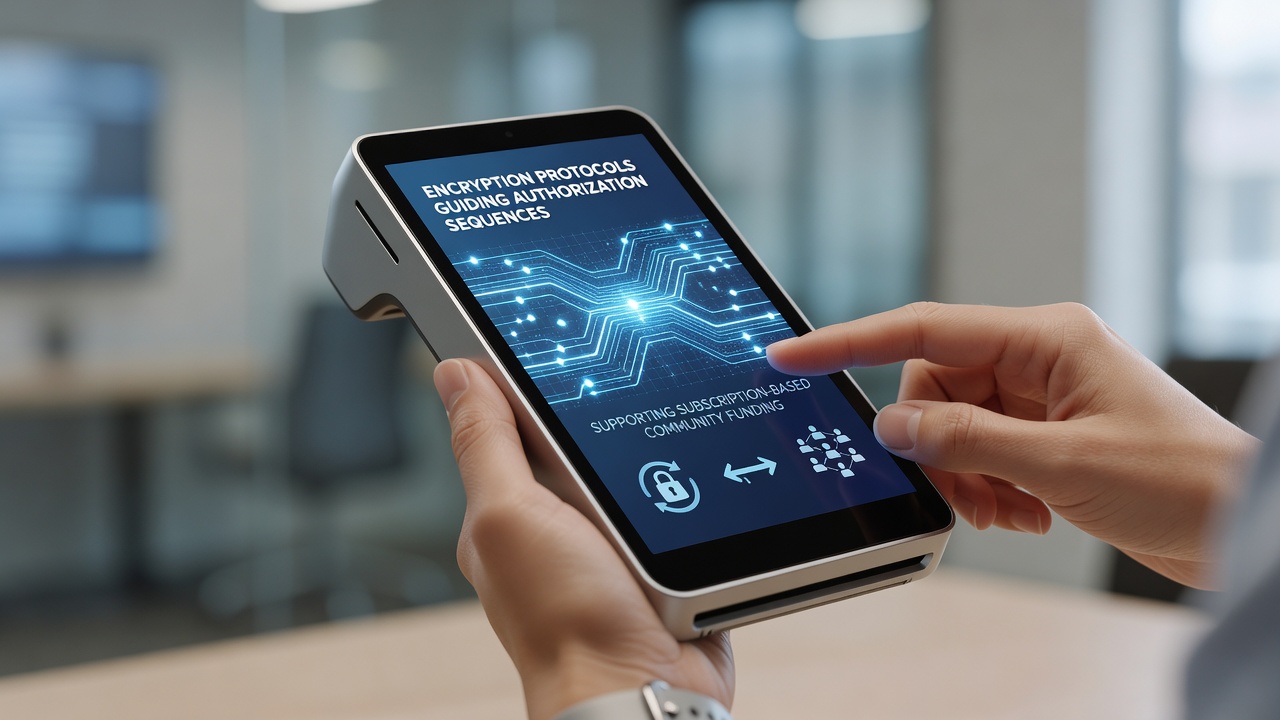
Encryption Frameworks Steering Verification Flows in Portable Philanthropy Tools for Sustained Community Backing
Encryption protocols form the backbone of authorization sequences that power handheld donation units used in subscription-based community funding programs, and these systems process recurring contributions from donors who support local initiatives through portable card readers and mobile terminals. Data moves through multiple layers of protection where symmetric and asymmetric encryption methods combine to secure cardholder information during each transaction cycle. Researchers at institutions tracking payment security have documented how protocols such as AES-256 and TLS 1.3 establish the foundation for these sequences, allowing devices to authenticate users while preventing interception of sensitive details in real time.
Core Encryption Standards Applied to Handheld Units
Handheld donation devices rely on established encryption standards that guide the step-by-step authorization process from initial card swipe or tap through final confirmation of recurring charges. The National Institute of Standards and Technology outlines specifications for cryptographic modules that many manufacturers integrate into portable terminals, ensuring that keys rotate automatically during each subscription cycle. Observers note that this rotation reduces exposure windows, particularly when devices operate in field environments where network connections fluctuate between cellular and Wi-Fi signals.
Community funding programs often schedule deductions on monthly or quarterly bases, and the authorization sequence must validate both the donor's consent and the merchant's credentials before releasing funds. Protocols establish mutual authentication between the handheld unit and the processing server, using digital certificates that confirm device identity prior to any data exchange. Studies from European research groups indicate that such layered approaches have lowered successful interception attempts by measurable margins across multiple pilot deployments in urban and rural settings.
Authorization Sequences in Recurring Donation Workflows
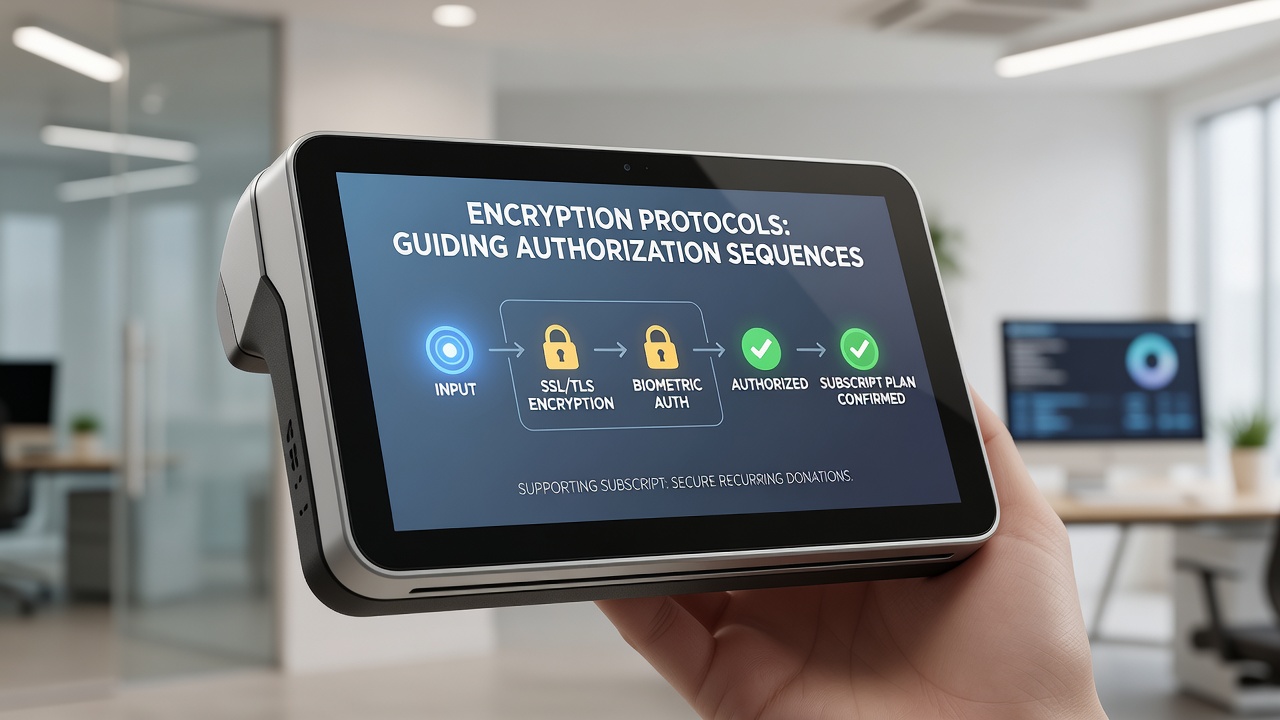
Authorization sequences unfold in distinct phases where encryption maintains data integrity at every checkpoint. First the device captures payment details and applies immediate encryption at the point of entry, then it transmits the protected payload over secure channels to a gateway that decrypts only the necessary elements for validation. Subsequent steps involve tokenization, which replaces actual card numbers with unique identifiers that link back to the original subscription agreement without exposing raw data during storage or future charges.
By November 2026 several regional compliance frameworks are expected to require enhanced key management practices for all mobile terminals handling recurring transactions. These updates build on existing guidelines from bodies such as the European Union Agency for Cybersecurity, which emphasizes continuous monitoring of encryption strength in devices deployed for public fundraising activities. Data collected from field operations shows that terminals adhering to these evolving standards maintain higher success rates for authorized recurring deductions while minimizing disruptions for donors.
Integration with Subscription Models in Local Initiatives
Subscription-based community funding connects donors to ongoing local projects through automated deductions managed by handheld units that follow strict encryption protocols. These devices support both one-time gifts and recurring commitments, with authorization sequences adapting based on the selected frequency and amount. Program administrators report that integration with donor management software allows real-time status checks while encrypted logs record each successful verification without retaining unnecessary personal identifiers.
Case examples from Canadian nonprofit networks demonstrate how portable terminals equipped with updated encryption modules handle peak donation periods during seasonal campaigns. The sequences incorporate challenge-response mechanisms that confirm the donor's device or account ownership before processing the next installment, adding an extra verification layer that aligns with broader data protection expectations. Figures from industry reports reveal steady growth in adoption rates as operators recognize the reliability these protocols provide during high-volume collection events.
Compliance and Operational Considerations
Regulatory requirements shape how encryption protocols guide authorization sequences in handheld donation equipment. Organizations must align device configurations with payment card industry standards that mandate specific cryptographic practices for protecting card data throughout its lifecycle. Australian regulatory guidance on digital payment security further stresses the importance of regular audits that test sequence integrity under simulated network stress conditions.
Operators of community funding programs coordinate with vendors to ensure firmware updates incorporate the latest protocol revisions, maintaining compatibility across mixed fleets of older and newer terminals. This coordination supports uninterrupted subscription processing even as encryption requirements tighten over time. Evidence from longitudinal tracking indicates that programs investing in protocol-aligned hardware experience fewer authorization failures compared with those relying on legacy configurations.
Conclusion
Encryption protocols continue to direct authorization sequences within handheld donation units that facilitate subscription-based community funding, creating secure pathways for recurring contributions while meeting evolving regulatory expectations. The combination of established standards, tokenization techniques, and automated key management supports reliable operations across diverse field conditions. As frameworks advance toward 2026 and beyond, portable systems equipped with these protections enable sustained donor engagement for local initiatives without compromising data safeguards.