Compliance Journeys for Independent Traders Adding Recurring Billing to Portable Payment Systems
Casey Zimmermann · Sep 28, 2026
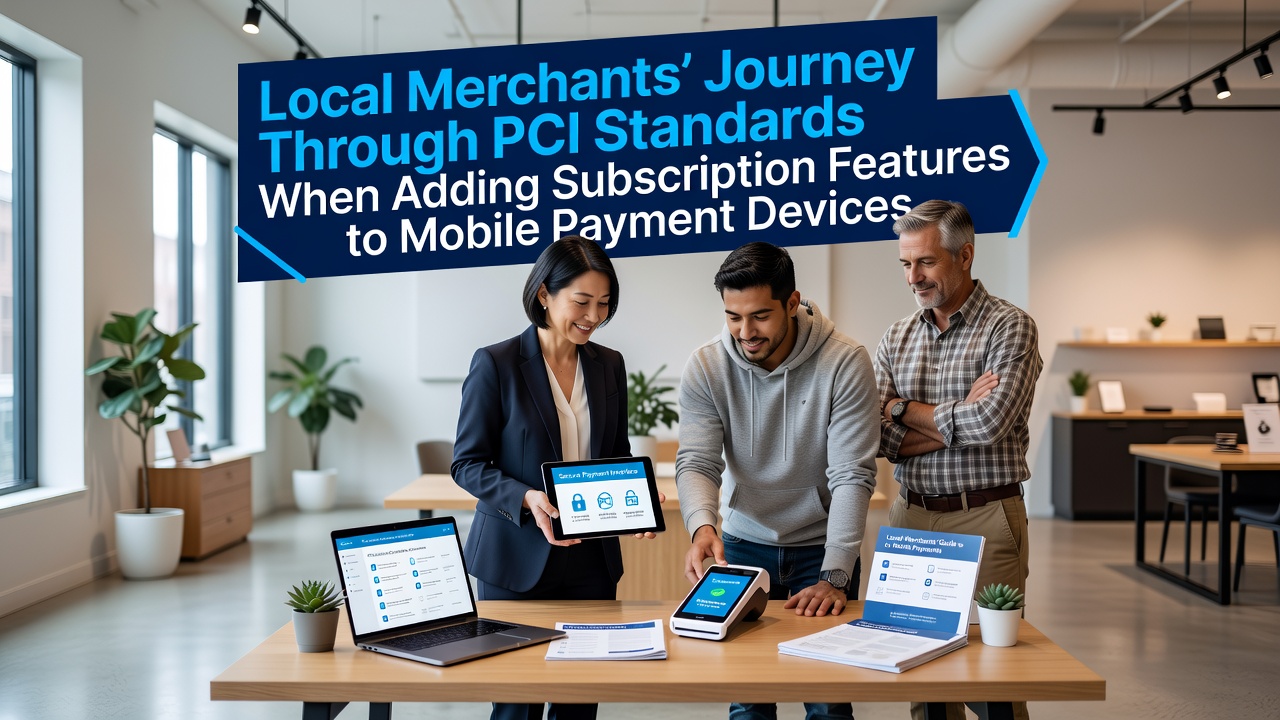
Compliance Journeys for Independent Traders Adding Recurring Billing to Portable Payment Systems
Local merchants who introduce subscription features to their mobile payment devices encounter a structured sequence of PCI DSS requirements that shape every stage of the rollout, and those requirements center on protecting cardholder data during both one-time and recurring transactions. Observers note that portable terminals already handle basic card processing under existing merchant agreements, yet the addition of automated billing cycles introduces new data flows that demand tokenization, secure storage protocols, and updated network segmentation.
Initial Assessment Steps Merchants Follow
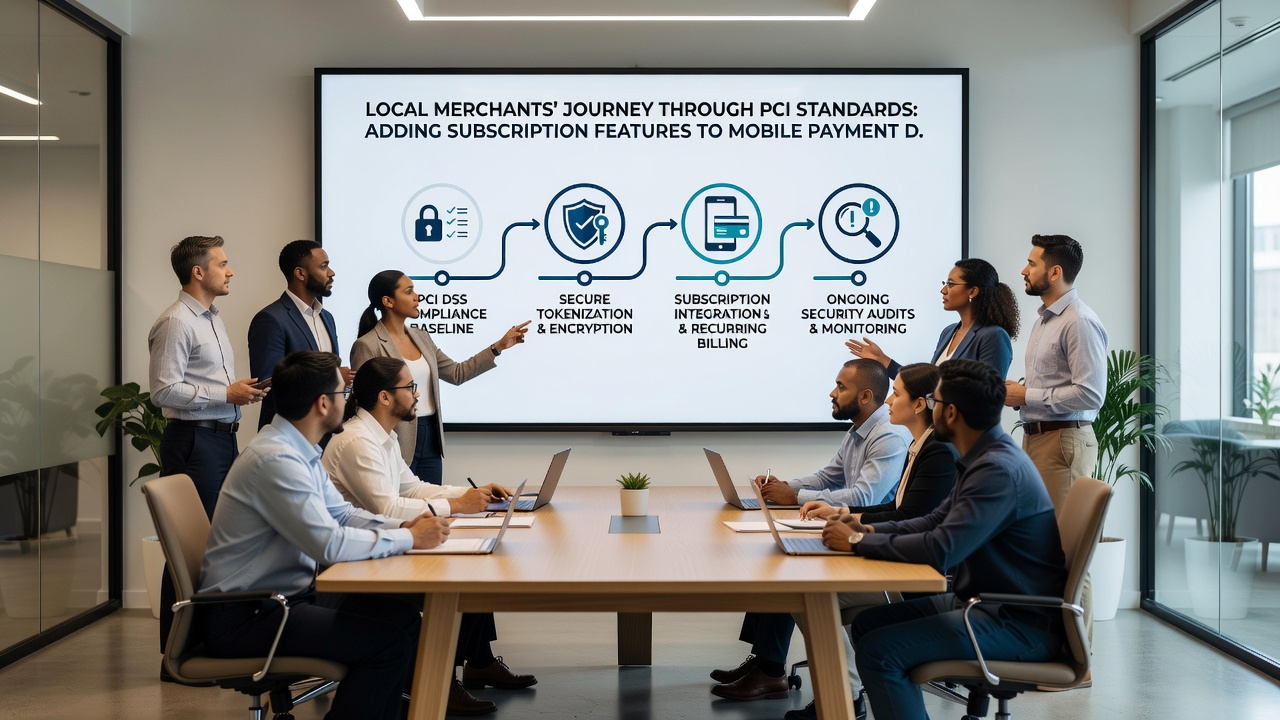
Merchants typically begin by mapping current device configurations against the twelve PCI DSS requirements, paying particular attention to requirement three which governs stored account data and requirement twelve which addresses security policies. Data from industry reports indicate that many small operators start this process months before launch because mobile hardware often connects through cellular networks whose encryption standards must align with current PCI versions. Those who've studied this process know that a self-assessment questionnaire becomes the first formal checkpoint, and completion of that questionnaire frequently reveals gaps in logging or key management that were not visible during standard card-present operations.
Technical Adjustments for Recurring Transactions
When recurring billing enters the picture, merchants integrate payment gateways that replace primary account numbers with tokens, and this step reduces the scope of PCI compliance because tokens themselves fall outside the definition of cardholder data. Research indicates that tokenization services must still reside within PCI-validated environments, so vendors often select providers already listed on the PCI Security Standards Council website. In practice, the mobile terminal sends an initial authorization request that establishes the subscription, after which subsequent charges route through the gateway using stored credentials that never return to the device itself.
Encryption and Key Management Practices
Portable devices used for subscriptions rely on point-to-point encryption during transmission, and experts have observed that key rotation schedules become more frequent once recurring profiles are active because each new billing cycle creates additional authorization attempts. September 2026 marks the date when certain updates to the PCI PTS standard for terminal hardware are scheduled to take effect, requiring merchants to verify that their mobile readers support the latest firmware before any subscription features go live. Those preparing for this timeline often coordinate with acquirers to schedule device testing well in advance.
Merchants also review wireless access points and Bluetooth connections that mobile terminals use, since requirement four of the PCI DSS mandates strong cryptography for any transmission of cardholder data across open networks. Studies found that small vendors who overlook these connections during initial setup later face remediation costs when quarterly scans identify unencrypted channels.
Documentation and Ongoing Validation
After technical controls are in place, merchants compile evidence for their acquirer or payment processor, and this evidence includes network diagrams, access control lists, and incident response procedures tailored to subscription data. According to guidance from the PCI Security Standards Council, annual revalidation remains mandatory even for merchants who qualify for SAQ A or SAQ A-EP forms, and the presence of recurring billing often shifts a merchant into a higher reporting category that requires more frequent external vulnerability scans. People who manage these processes report that maintaining logs of every subscription authorization attempt helps demonstrate compliance during audits.
Support Networks and Training Requirements
Local operators frequently rely on vendor support teams to align device firmware with encryption benchmarks, and these teams provide checklists that cover both initial onboarding and subsequent subscription activations. Training sessions focus on recognizing phishing attempts that target recurring payment profiles, because social engineering remains a primary vector for data compromise even when technical controls are strong. Figures from regulatory bodies in regions such as the European Union and Australia show that merchants who complete structured training reduce the incidence of compliance exceptions during follow-up assessments.
Conclusion
The sequence of steps that local merchants follow when adding subscription capabilities to mobile payment devices follows a predictable pattern of assessment, technical implementation, documentation, and periodic validation. Each phase builds on the previous one, and the overall process ensures that cardholder data remains protected whether transactions occur once or on a repeating schedule. As September 2026 approaches, attention to updated terminal standards will likely influence hardware refresh cycles for many independent operators who already rely on portable systems for their core revenue streams.